



超聲波清洗器在精密儀器清洗中的應用
作者:創始人來源:http://www.dijiushangdian.cn/時間:2026-05-30
基于超聲波在液體中的傳播產生空化效應。當超聲波通過液體傳播時,會在液體中形成壓力波,導致氣泡在低壓區域膨脹,在高壓區域崩潰。氣泡的崩潰釋放出巨大的能量,形成微小的沖擊波,這種沖擊波對物體表面產生強烈的作用力,從而達到去除污垢的效果。這種空化效應不僅能清除表面大顆粒的污垢,還能深入到精密儀器的微小孔隙和難以觸及的地方,進行全面清洗。
The cavitation effect is generated based on the propagation of ultrasound in liquid. When ultrasound propagates through a liquid, it forms pressure waves in the liquid, causing bubbles to expand in low-pressure areas and collapse in high-pressure areas. The collapse of bubbles releases enormous energy, forming tiny shock waves that exert strong forces on the surface of objects, thereby achieving the effect of removing dirt. This cavitation effect can not only remove dirt from large particles on the surface, but also penetrate into the tiny pores and hard to reach areas of precision instruments for comprehensive cleaning.
在精密儀器清洗中,具有明顯的優勢。首先,超聲波清洗可以去除儀器表面和細小部位的微小污染物。例如,在醫療設備的清洗過程中,超聲波清洗能夠有效清除手術器械上的油脂、微生物等,而不會損傷儀器的精密部件。在電子產品的清洗中,超聲波清洗能夠去除芯片、電路板上的微小灰塵、焊接殘留物以及其他污染物,確保電子元件的正常運行和壽命。
It has obvious advantages in precision instrument cleaning. Firstly, ultrasonic cleaning can remove tiny pollutants from the surface and small parts of the instrument. For example, in the cleaning process of medical equipment, ultrasonic cleaning can effectively remove oil, microorganisms, etc. on surgical instruments without damaging the precision components of the instrument. In the cleaning of electronic products, ultrasonic cleaning can remove tiny dust, welding residues, and other pollutants on chips and circuit boards, ensuring the normal operation and lifespan of electronic components.
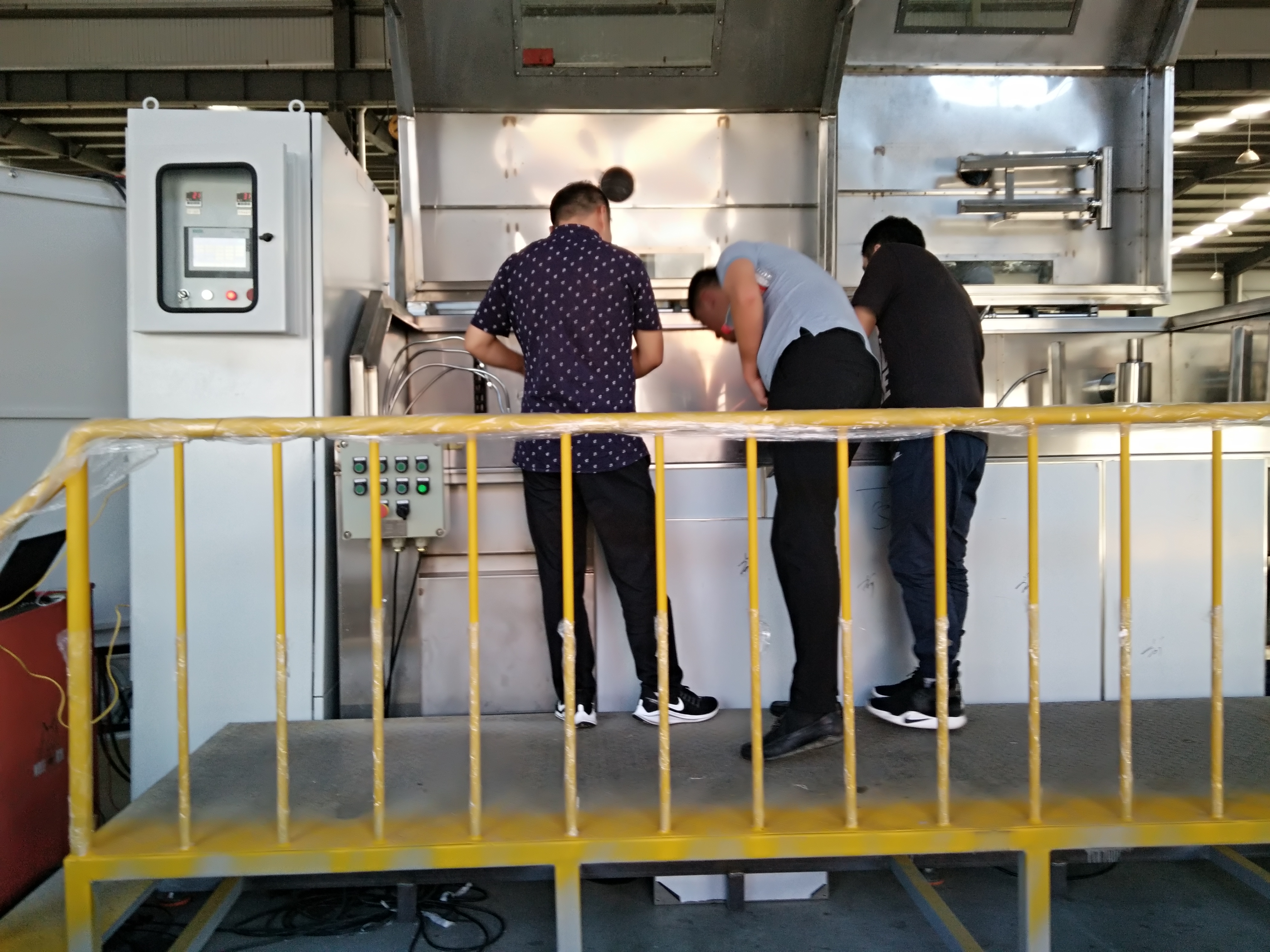
的清洗中同樣發揮了重要作用。光學設備如顯微鏡、望遠鏡、相機鏡頭等對表面的清潔度要求高,任何細小的灰塵或污漬都可能影響其光學性能。超聲波清洗能夠清除鏡頭上的污漬和指紋,而不會對鏡頭造成物理損傷。此外,超聲波清洗還能夠清潔光學鏡片、光纖及其他精密光學元件,保持其高精度和良好的傳輸效果。
It also played an important role in cleaning. Optical equipment such as microscopes, telescopes, camera lenses, etc. require high surface cleanliness, and any small dust or stains may affect their optical performance. Ultrasonic cleaning can remove stains and fingerprints on the lens without causing physical damage to the lens. In addition, ultrasonic cleaning can also clean optical lenses, optical fibers, and other precision optical components, maintaining their high precision and good transmission effect.
精密儀器的材料通常比較嬌貴,傳統的機械清潔方法可能會對其表面造成劃傷或磨損。而超聲波清洗則通過液體介質進行無接觸清洗,避免了物理摩擦對儀器表面的損傷。清洗過程也較為溫和,能夠在不使用強烈化學劑的情況下去除污垢,這對于需要避免化學污染的精密儀器尤為重要。
The materials of precision instruments are usually delicate, and traditional mechanical cleaning methods may cause scratches or wear on their surfaces. Ultrasonic cleaning, on the other hand, uses liquid media for non-contact cleaning, avoiding damage to the surface of the instrument caused by physical friction. The cleaning process is also relatively gentle and can remove dirt without using strong chemicals, which is particularly important for precision instruments that need to avoid chemical contamination.
此外,具有高效性和自動化特點,能夠提高清洗效率。精密儀器往往包含多個細小部件和復雜結構,手工清洗往往難以清潔每一個細節。而它通過其均勻的波動作用,可以確保每個部件都得到充分的清洗,減少了人為操作中的疏漏和誤差。并且,通常配備自動化控制系統,可以根據清洗需求調節超聲波的頻率、功率和清洗時間,進一步提升清潔效果。
In addition, it has the characteristics of high efficiency and automation, which can improve cleaning efficiency. Precision instruments often contain multiple small components and complex structures, and manual cleaning often makes it difficult to clean every detail. And through its uniform fluctuation effect, it can ensure that each component is thoroughly cleaned, reducing omissions and errors in human operation. Moreover, it is usually equipped with an automated control system that can adjust the frequency, power, and cleaning time of ultrasonic waves according to cleaning needs, further improving the cleaning effect.
 新聞資訊
新聞資訊
 聯系我們
聯系我們 公司:濟南科爾超聲波設備有限公司
  熱線:18663767799
 地址:山東省濟南市濟陽區創業路與啟航街交叉口南40米

濟南科爾超聲波設備有限公司
Jinan Keer ultrasonic equipment Co., Ltd
 咨詢電話:18663767799
 E-MAIL:jnkergs@163.com
 地址:山東省濟南市濟陽區創業路與啟航街交叉口南40米
 魯公網安備 37011202001385號

掃一掃,更多精彩